Boom & Structural Components
Review of boom sections and other structural areas for cracking, deformation, visible damage, wear, and corrosion.
INSPECTIONS & TESTING
M&M Boom Inspections and Repairs LLC provides detailed inspection, testing, and repair support for concrete pump equipment, truck-mounted boom assemblies, and Telebelt conveyor systems.
Request an Inspection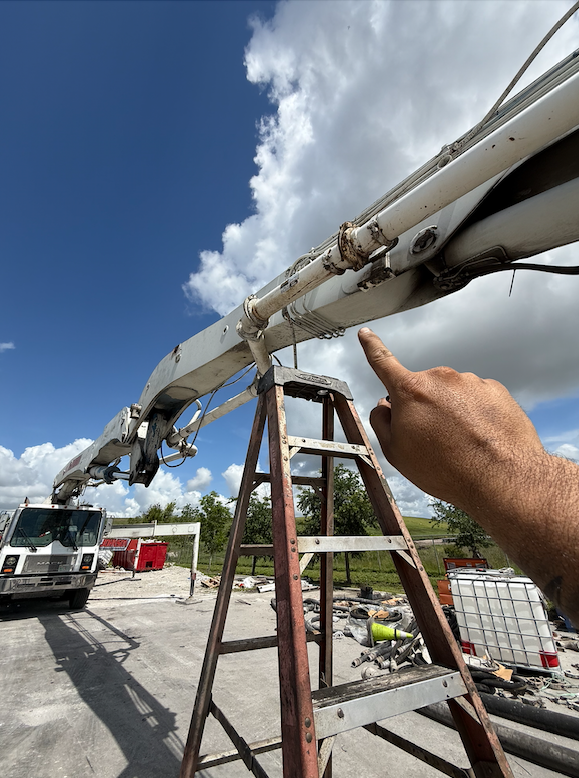
WHAT WE INSPECT
Inspection work is focused on structural condition, wear, visible damage, and areas that may require additional testing or repair. The goal is to identify concerns early and give owners a clearer picture of equipment condition.
Review of boom sections and other structural areas for cracking, deformation, visible damage, wear, and corrosion.
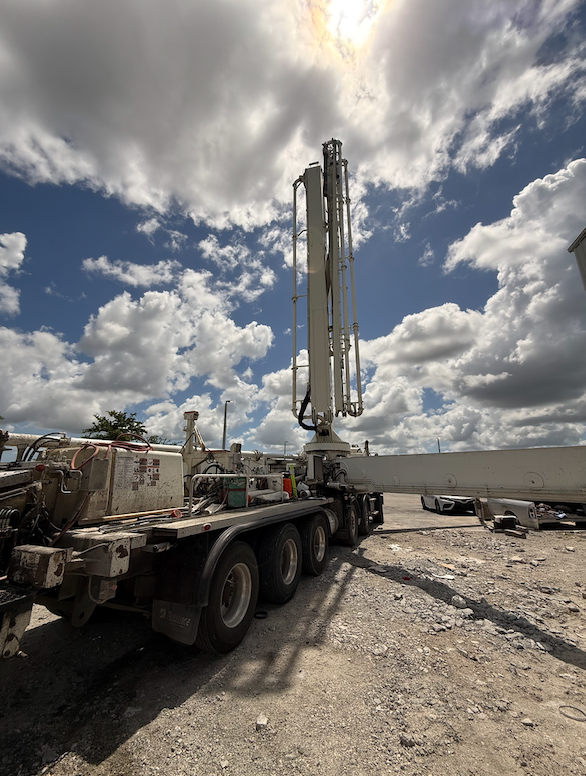
Inspection attention to outriggers, mounting areas, structural supports, and related components that affect equipment stability and condition.
Hands-on review of high-wear connection points, joints, pins, and related components where movement and operating hours can contribute to wear.
Inspection of accessible piping and high-wear areas, with thickness testing available where material loss or wear needs to be evaluated.
Inspection support for Telebelt conveyor equipment with attention to wear, damage, structural condition, and areas that may need repair.
Visual and hands-on checks can help identify dents, cracks, corrosion, damaged components, and other conditions that warrant closer evaluation.
TESTING METHODS
Depending on the equipment and the area being evaluated, M&M Boom can use multiple inspection methods to assess component condition and identify concerns that may not be obvious during a basic visual review.
Used on appropriate ferromagnetic components to help identify surface and near-surface discontinuities in areas being evaluated.
Measures material thickness to help evaluate wear, wall loss, and corrosion in piping or other suitable components.
Detailed inspection of accessible structural and operational components for visible damage, cracking, wear, deformation, leaks, or other concerns.
Attention to corrosion and pressure-exposed areas where deterioration, wear, or material loss can affect equipment condition.
PERIODIC INSPECTION SCHEDULE
Industry guidance for periodic inspections becomes more frequent as equipment ages or accumulates operating hours. The schedule below reflects the inspection intervals described by the American Concrete Pumping Association for concrete pump trucks and placing booms under ASME B30.27.
Or at least once per year, whichever occurs first.
Or at least once per year, whichever occurs first.
Or at least once per year, whichever occurs first.
Operating conditions, manufacturer requirements, prior repairs, and equipment history may call for additional inspection attention. Follow the applicable manufacturer and safety requirements for your equipment.
FREQUENT VS. PERIODIC INSPECTIONS
Frequent inspections are commonly performed from daily to monthly intervals and rely heavily on visual checks. They can help identify obvious damage, dents, cracks, wear, leaks, or other developing concerns before they become larger problems.
Periodic inspections are more detailed and focus closely on the boom and structural components. Industry guidance calls for these inspections to be performed by a qualified person at age- and hour-based intervals.
FROM INSPECTION TO REPAIR
M&M Boom's service scope extends beyond identifying concerns. Repair and welding support can address inspection findings so owners can move from evaluation to corrective work with one service provider.
Repair and welding services for appropriate structural findings identified during inspection.
Repair work can be coordinated around applicable manufacturer recommendations and procedures for the equipment being serviced.
Support for repair situations involving manufacturer or warranty-related procedures when applicable to the equipment and repair scope.
Inspection and repair support can be arranged for fleets and equipment outside the immediate local area based on scheduling and job requirements.
DOCUMENTATION & FLEET PLANNING
Documented inspection findings can help equipment owners track condition, plan repairs, and maintain a clearer service history for each machine.
For fleet operators, keeping inspection and repair records organized can also make it easier to respond to contractor, manufacturer, insurer, or internal maintenance requirements when documentation is requested.
SCHEDULE SERVICE
Call or email Marvin to discuss your concrete pump, boom, or Telebelt equipment and the service you need.